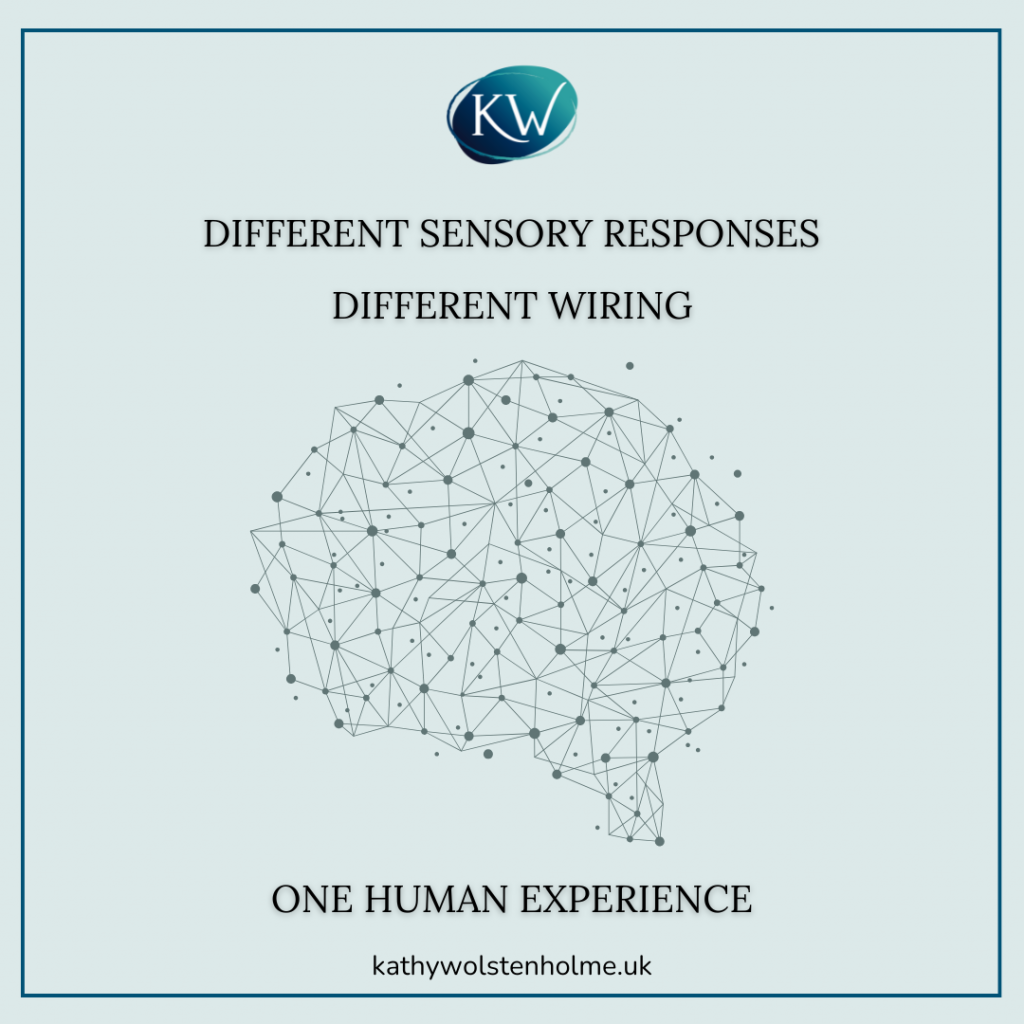
Neurodiversity is a term used to describe natural variations in how brains work differently to what is considered ‘typical’. These differences can be observed in how we think, react and behave in relation to our environments.
What is Neurodivergence?
Neurodivergence includes Autism, Attention Deficit Hyperactivity Disorder (ADHD), Dyslexia, Dyspraxia, Tourette Syndrome and more. While these are sometimes seen as ‘disabilities’ in society, the neurodiversity movement aims to reframe them as natural variations of the human experience.
This is not to deny that people can be disabled by elements of their neurodivergence. People often face barriers in a world that is designed for neurotypical people, particularly in education, employment, healthcare and relationships. These challenges are often compounded by social stigma, misunderstanding, discrimination and systemic inflexibility.
More than disability
But within Neurodivergence there is more than ‘disability’. Where history has inaccurately defined Neurodivergence as disordered, the Neurodiversity movement invites us to see the richness of difference and the strengths that are so often overlooked in environments not designed for all types of brains. From unique problem-solving capabilities and pattern recognition, to creative innovation and lateral thinking, neurodivergent minds often bring assets that can be transformative particularly in business, leadership and team dynamics.
Diagnosis is not the only path
It is important to note that not all Neurodivergent individuals have a formal diagnosis or identify with a specific neuro-type. Some people may recognise in themselves a specific cognitive trait or style such as heighted sensitivity or intense interest. Diagnosis can be helpful but it should not be a pre-requisite for understanding or inclusion.
Growing awareness
Thankfully, awareness of neurodiversity is growing. We’re seeing increasing efforts to design more inclusive workplaces, flexible learning environments and supportive systems. From sensory-friendly spaces and flexible working, to rethinking hiring processes and performance measures.
The way forward
True inclusion however, requires more than surface-level accommodations. It asks us to question long-standing assumptions about our cultures and systems and to actively create spaces where people are valued for who they are.
By embracing the full spectrum of neurodiversity, we move closer to a society where difference is celebrated and all people can thrive.